Our recent contribution to Property Week shines a spotlight on the shifting expectations around CAT‑A space.
The article examines the challenges associated with CAT-A space and highlights the value of informed, design led solutions leading to smarter, more flexible and more sustainable design approaches.
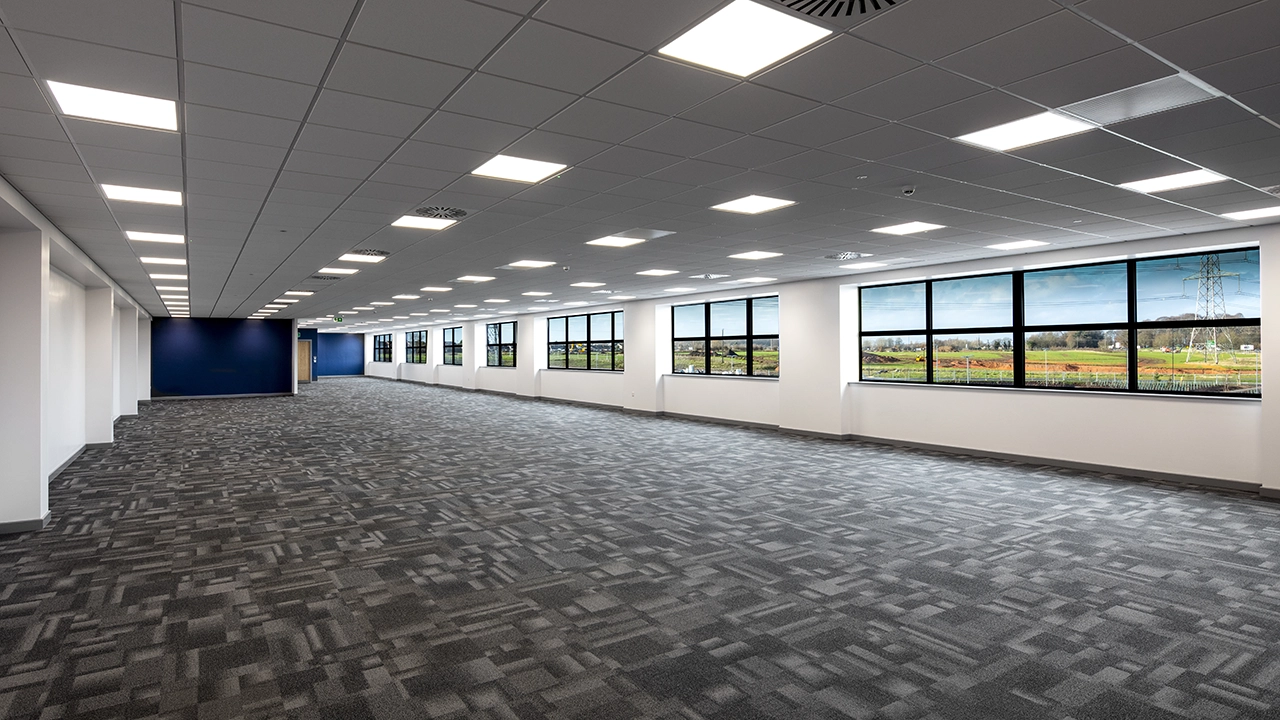
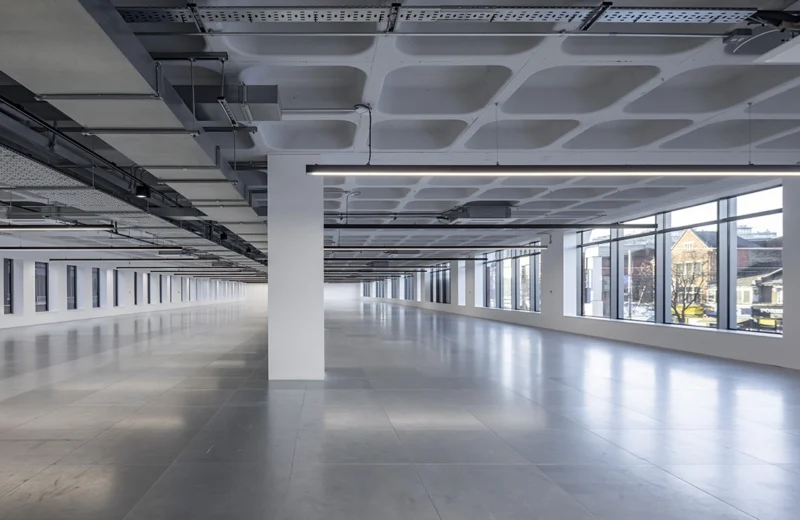
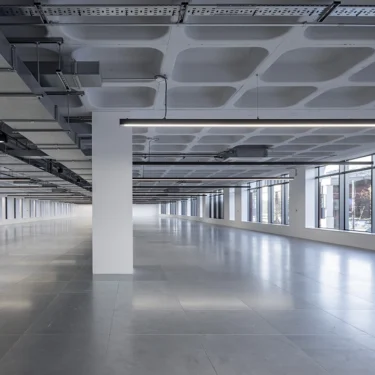
The commercial property sector has a catastrophic waste problem. For years, developers have been delivering new office buildings to CAT A standard to make spaces market ready, but the irony is that by the time the first tenant moves in, much of that pristine on-floor Cat A fit-out is heading straight for the skip.
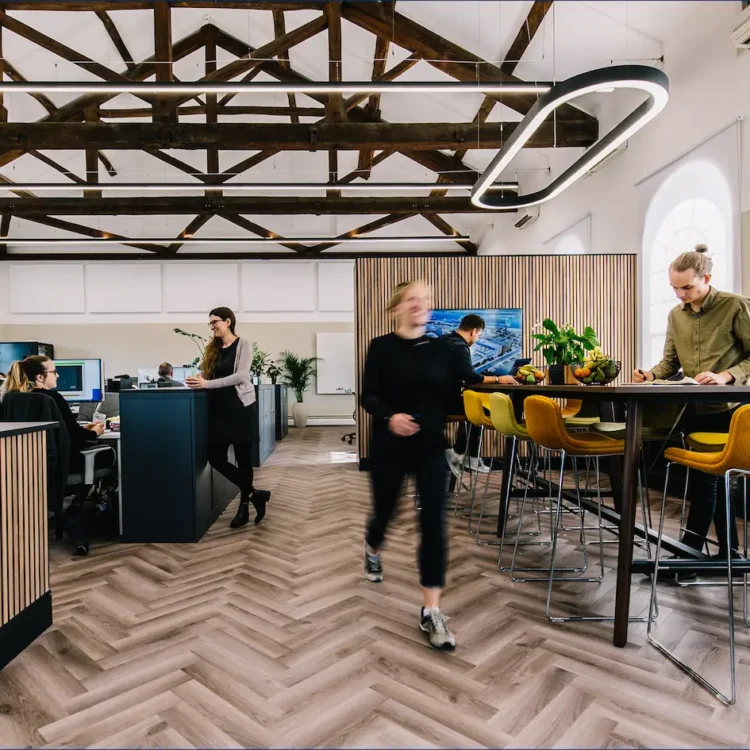
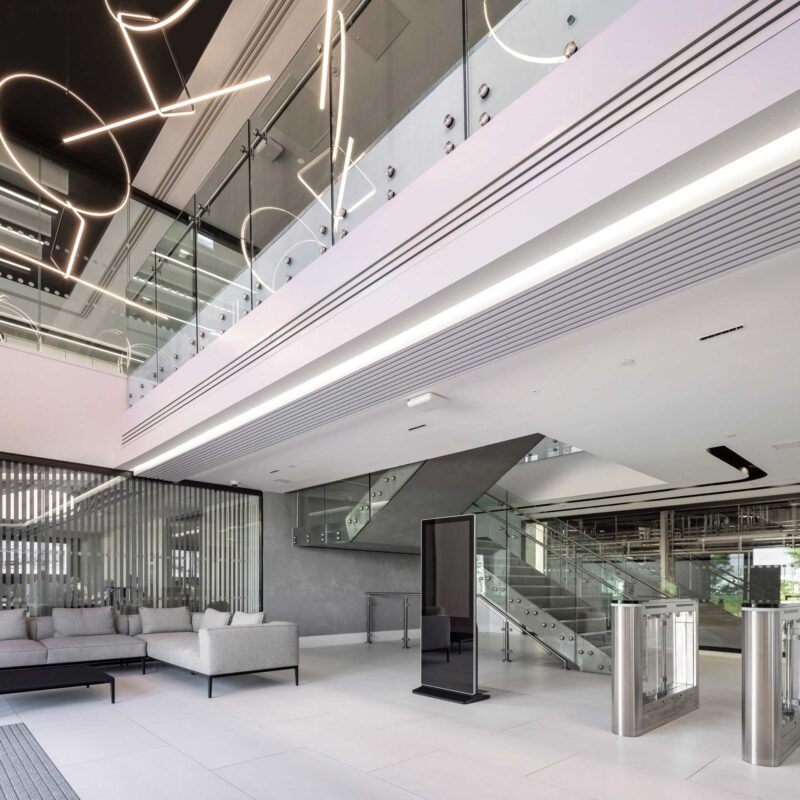
The rationale behind CAT A is understandable. A working space is easier to market and lease. Funders, planners and local authorities also expect to see buildings reach practical completion (PC), and to do that, the space must technically be habitable. That means lights need to be working, systems running, air flowing etc. Yet these same elements are the first things ripped out when tenants bring in their own designers and fit-out teams to create branded, tailored environments suited for their end users.
As a direct result, a huge cycle of waste is generated that’s both environmentally and financially indefensible. Studies suggest (see if we can back this up) up to 60% of a CAT A fit-out is discarded, including brand-new MEP installations and lighting systems that may never even be switched on. Once removed, warranties are void, resale is impractical and disposal is often the only option.
Not only is our environment paying for that, the financial logic is equally questionable. Landlords can spend significant sums installing CAT A, and tenants then spend again to remove and redo it all. In a market striving for efficiency, this double spend culture is, I would argue, one of the industry’s most avoidable inefficiencies.
The issue isn’t just about design. The requirement to achieve PC, to satisfy funding and compliance protocols, effectively locks in waste. We’re building spaces to an arbitrary level of completion that doesn’t align with how offices are actually occupied. It’s a procedural box-tick that produces tons of redundant material before the building has even opened its doors.
And yet the pressure to demonstrate “ready for use” space persists, even when everyone involved knows the elements of the CAT A fit-out are temporary at best. The mismatch between certification processes and operational realities has created a cycle of waste that feels increasingly out of step with an industry committed to net zero and circular principles.
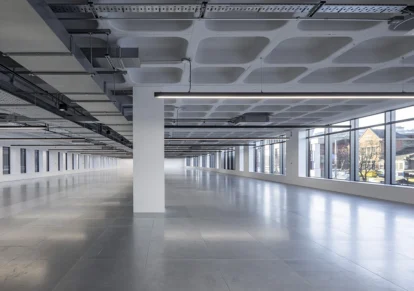
I do however think that this is not an unsolvable problem. There are clear, actionable ways to rethink the CAT A paradigm…
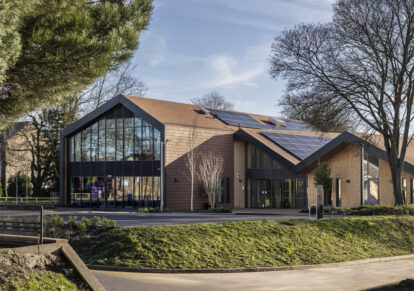
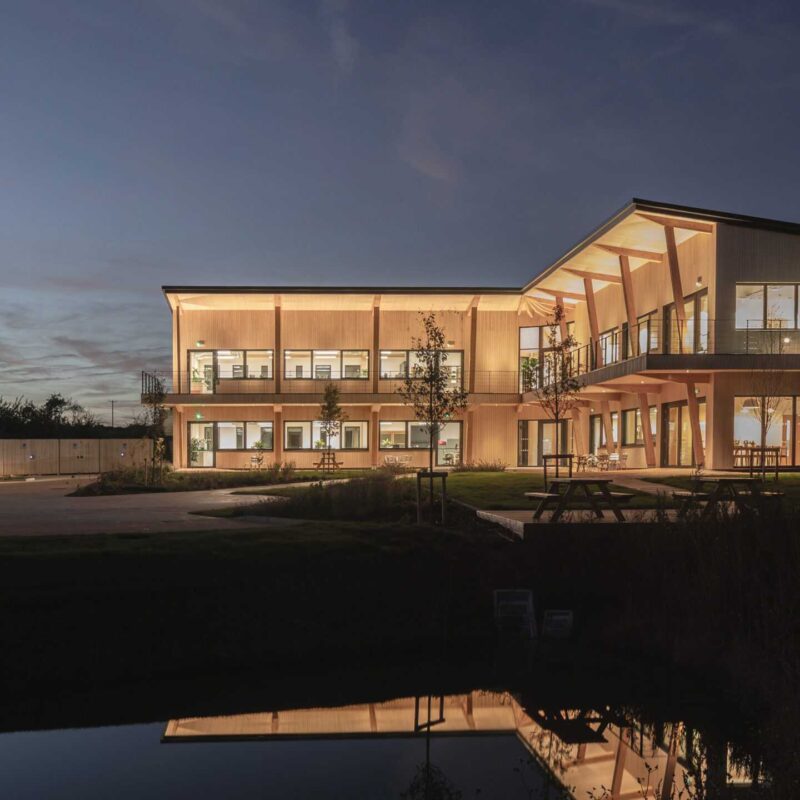
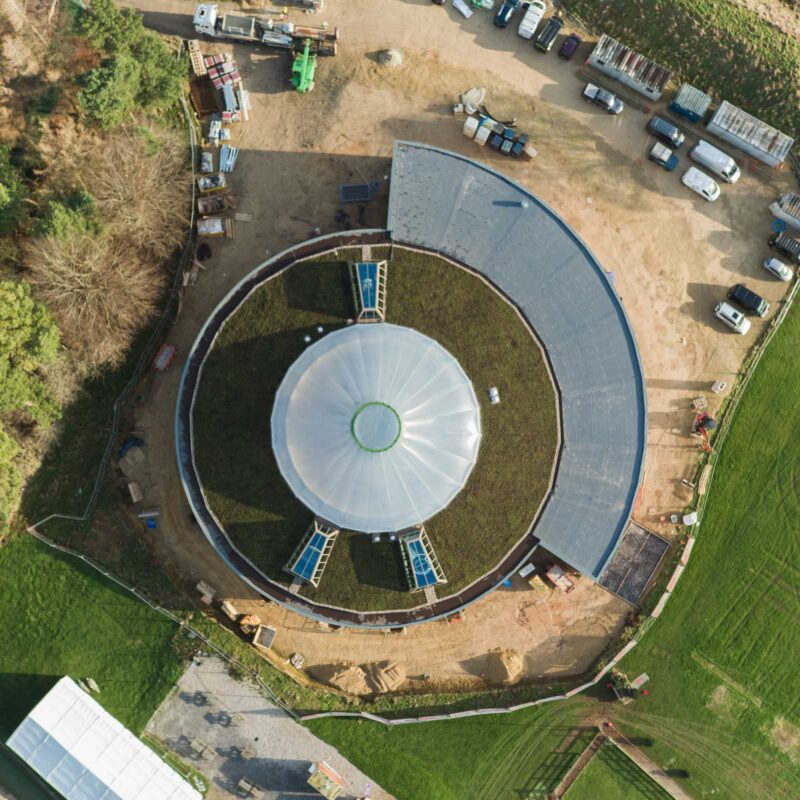
One promising avenue is adopting a circular economy approach. Rather than fitting out and ripping out, we can design for adaptability and reuse. Our team at Corstorphine & Wright has just delivered an award-winning office building in Northamptonshire that can be entirely disassembled and reused at the end of its life. Components such as lighting tracks, raised floors or partition systems and interior finishes can all be specified with disassembly and redeployment in mind. But to do that effectively, we need material passports which are digital records that capture the origin, specification and lifecycle of each element, allowing components to be reused, reinstalled or resold rather than scrapped.
I also think we need to question what it really means for a building to be complete? If the systems we install never serve their intended use, can we still call that completion? In an era when the property sector is rightly under scrutiny for its carbon footprint, redefining PC could be one of the most impactful shifts we make.
Developers, investors and local authorities will all need to collaborate to modernise outdated completion criteria. A revised framework that recognises modular, reconfigurable or pre-certified systems could maintain accountability without mandating unnecessary waste – and save a huge amount of money!
As designers pursuing low carbon construction and circular principles, the CAT A conversation is a critical next step that needs to be addressed. It’s a tangible example of how entrenched practices can undermine sustainability ambitions. If we can move away from the reflex of “fit-out to rip-out,” and towards adaptable, circular approaches, we won’t just reduce waste, we’ll unlock a new definition of quality rooted in longevity and genuine efficiency.
Read the full article:
https://www.propertyweek.com/insight/corstorphine-wrights-dominic-williams-on-why-its-time-to-end-cat-a-strophic-waste